
Multiple Tooth Implant in Issaquah, WA: Your Options
Multiple-tooth implants in Issaquah, WA provide a stable, long-term way to replace several missing teeth at once. At Doctor Scott Clayhold in Issaquah, Washington, this approach can restore chewing function and appearance while protecting oral health. The overview below explains how treatment works, who may be a candidate, and what to expect from start to finish.
What Are Multiple-Tooth Implants?
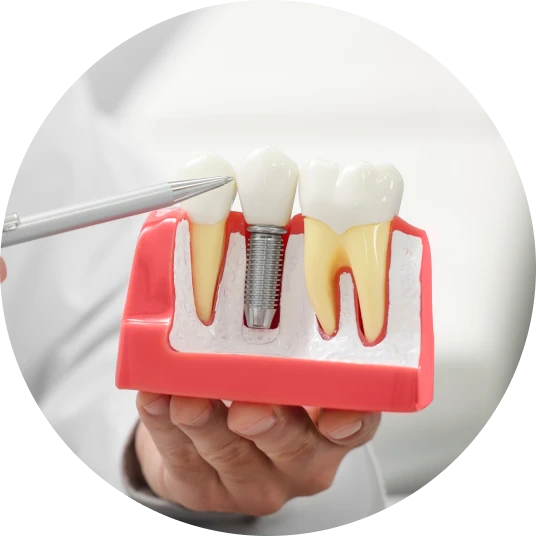
Multiple-tooth implants use two or more dental implants to anchor a custom bridge that replaces several neighboring teeth. Each implant is a small titanium post that integrates with the jawbone through a healing process called osseointegration. Once the bone fuses to the implants, connectors called abutments support a bridge designed to match your bite and smile.
This solution differs from a traditional bridge, which relies on reshaping adjacent healthy teeth for support. It also differs from a removable partial denture, which uses clasps and must be removed for cleaning. An implant-supported bridge is fixed in place, does not rest on the gums, and helps maintain bone volume by transferring chewing forces into the jaw.
Why Consider Multiple-Tooth Implants?
They protect neighboring teeth by avoiding drilling of healthy enamel for a conventional bridge.
They help preserve jawbone and facial contours by stimulating the bone during chewing.
They offer strong, stable chewing so eating and speaking feel more natural.
They are fixed in place and do not shift like many removable partial dentures.
They are easier to clean around than a long-span bridge that relies on natural teeth.
They can be a cost-effective way to replace several teeth with fewer implants than one per tooth.
How Multiple-Tooth Implants Work
Step-by-Step Treatment Guide
Consultation & Planning
A clinical exam, digital scans, and 3D imaging help map bone volume and gum health, and confirm how many implants are needed to support the implant-supported bridge.
Site Preparation
Problem teeth may be removed. Some patients need a bone graft or sinus lift to create stable support for implants.
Implant Placement
Implants are placed in the jaw combining sedation and local anesthesia. Small healing caps or cover screws protect the sites.
Osseointegration
Bone fuses to the implants over several weeks to a few months, depending on health and bone quality.
Abutments & Impressions
After healing, abutments are attached and precise digital scans or digital impressions are taken for the implant-supported bridge.
Final Bridge Delivery
The custom implant-supported bridge is secured to the abutments, bite is checked, and home care instructions are reviewed.
What to Expect Before & After
Most patients experience mild swelling and soreness for a few days after surgery, which is managed with simple home care and medication as directed. A soft diet protects the sites while they heal. Light daily activities can usually resume within a day or two, but exercise and heavy lifting may be limited for a short time.
Healing time for dental implants varies by case. Many people are ready for abutments and impressions at eight to twelve weeks, though complex grafting may extend the timeline. A temporary solution can be used during healing so you are never without teeth in the smile zone.
Timeline Overview
- Planning and preparation: One to two visits.
- Implant placement: One visit, then routine checks as needed.
- Integration period: Several weeks to a few months.
- Final bridge: One to two visits for try-in and placement.
Multiple-Tooth Implant FAQs
Ready to Restore Your Smile?
If you are considering multiple-tooth implants in Issaquah, WA, contact Doctor Scott Clayhold at 425-369-1533 to request a consultation with Dr. Scott Clayhold.
find out if you're a
candidate for dental implants
Answer The Following Questions To Learn More About Our Pricing & Financing Options!

Expect a Higher Level of Care Here
Expect a higher level of care where advanced technology, precision, and personalized attention come together to support lasting oral health.